
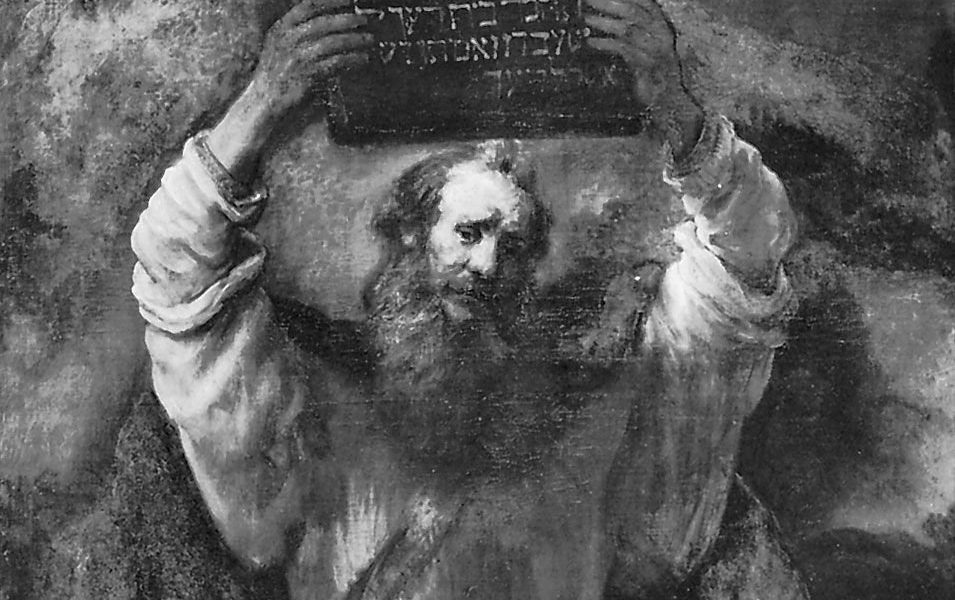
What happened to Moses in the Bible? Moses, a figure of great significance, led the Israelites out of slavery in Egypt and received the Ten Commandments on Mount Sinai. His life was filled with remarkable events and divine encounters, shaping the course of history. From the burning bush to parting the Red Sea, Moses’ journey is a testament to faith and leadership. Delve into the captivating story of what happened to Moses in the Bible to uncover the extraordinary narrative that continues to inspire millions around the world.

What Happened to Moses in the Bible
One of the most famous figures in the Bible is Moses. He is known for leading the Israelites out of Egypt, parting the Red Sea, and receiving the Ten Commandments from God on Mount Sinai. Let’s explore in detail the fascinating story of Moses and his significant role in the Bible.
The Early Life of Moses
Moses was born in Egypt during a time when the Israelites were enslaved by the Egyptians. His story begins with a miraculous event as his mother placed him in a basket and set him adrift on the Nile River to save him from being killed. The basket was found by Pharaoh’s daughter, who decided to adopt Moses and raise him as her own.
As Moses grew up in the palace, he became aware of his Hebrew heritage. One day, witnessing an Egyptian taskmaster mistreating an Israelite slave, Moses was filled with rage and ended up killing the taskmaster. Fearing for his life, Moses fled Egypt and settled in the land of Midian.
The Burning Bush and God’s Call
While in Midian, Moses encountered a burning bush that was not consumed by the flames. As he approached the bush, he heard the voice of God calling his name. God instructed Moses to return to Egypt and lead the Israelites out of slavery.
This encounter marked the beginning of Moses’ journey as a prophet and leader chosen by God. Despite his initial reluctance and self-doubt, Moses eventually accepted the call and set out to fulfill the mission given to him by God.
The Plagues of Egypt
Upon returning to Egypt, Moses confronted Pharaoh, demanding the release of the Israelites. When Pharaoh refused, God unleashed a series of ten plagues upon Egypt to demonstrate His power and persuade Pharaoh to let the Israelites go.
These plagues included turning the Nile River into blood, infestations of frogs, lice, and locusts, as well as devastating hailstorms and darkness. The final plague, the death of the firstborn, led Pharaoh to finally relent and allow the Israelites to leave Egypt.
The Exodus and Crossing of the Red Sea
As the Israelites departed from Egypt, Pharaoh changed his mind and pursued them with his army. The Israelites found themselves trapped between the Egyptian army and the Red Sea. In a moment of divine intervention, God instructed Moses to raise his staff, and the Red Sea miraculously parted, allowing the Israelites to cross to safety.
However, as soon as the Israelites had crossed, the waters returned, engulfing Pharaoh and his army. This event symbolized the liberation of the Israelites from slavery and solidified Moses’ role as their leader.
The Ten Commandments and the Covenant
After crossing the Red Sea, Moses led the Israelites to Mount Sinai, where he received the Ten Commandments from God. These commandments served as the foundation of the Mosaic Law, establishing a moral and ethical code for the Israelites to follow.
During his time on Mount Sinai, Moses also received other laws and regulations from God, forming a covenant between God and the Israelites. This covenant reinforced the special relationship between God and His chosen people, with Moses serving as the mediator.
The Wilderness Wanderings
Following the covenant at Mount Sinai, the Israelites embarked on a journey through the wilderness towards the Promised Land. However, their lack of faith and numerous complaints tested Moses’ leadership and patience.
Despite facing challenges such as scarcity of food and water, rebellions within the community, and doubts about reaching the Promised Land, Moses continued to intercede on behalf of the Israelites and guide them through their wandering in the wilderness.
The Death of Moses
As the Israelites approached the borders of the Promised Land, Moses’ journey came to an end. Due to a disobedient act, God decreed that Moses would not enter the Promised Land with the rest of the Israelites. Instead, Moses climbed Mount Nebo, where God showed him the land from a distance before his passing.
With his death, Moses left behind a legacy as a great prophet, leader, and lawgiver. His story serves as an enduring example of faith, courage, and obedience to God’s will.
In conclusion, the story of Moses in the Bible is a powerful narrative of faith, redemption, and divine intervention. From his miraculous birth to his leadership of the Israelites through the wilderness, Moses played a crucial role in the history of the Israelite people.
His unwavering commitment to God’s call, despite his own doubts and shortcomings, exemplifies the importance of trusting in a higher power and following His guidance. Through Moses’ story, we learn valuable lessons about perseverance, obedience, and the rewards of faithful service.
As we reflect on what happened to Moses in the Bible, let us be inspired by his example and strive to live a life dedicated to serving God and fulfilling His purpose for us.
What happened to Moses? #biblehistory #biblestudy
Frequently Asked Questions
What is the significance of Moses in the Bible?
Moses is a central figure in the Bible, known for leading the Israelites out of slavery in Egypt and receiving the Ten Commandments from God on Mount Sinai. His story is a key part of the Israelites’ journey to the Promised Land and the foundation of Jewish law and faith.
How did Moses encounter God in the Bible?
In the Book of Exodus, Moses encounters God in the burning bush, where God speaks to him and instructs him to lead the Israelites out of Egypt. This pivotal moment marks the beginning of Moses’ role as a prophet and leader chosen by God.
What challenges did Moses face in leading the Israelites?
Moses faced numerous challenges while leading the Israelites, including resistance from Pharaoh, internal disputes among the Israelites, and the long and arduous journey through the desert. Despite these obstacles, Moses remained faithful to God and guided his people towards the Promised Land.
Final Thoughts
In the Bible, Moses led the Israelites out of Egypt and received the Ten Commandments on Mount Sinai. He faced many challenges and obstacles but remained faithful to God. Ultimately, Moses did not enter the Promised Land due to his disobedience. Despite this, his legacy as a prophet and leader is revered. What happened to Moses in the Bible serves as a powerful example of faith, perseverance, and the consequences of our actions.