
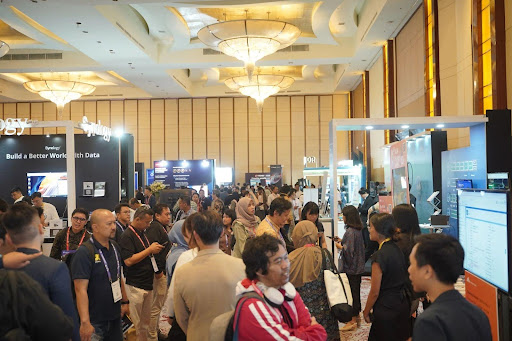
Businesses are hyperconnected in the modern environment, and in this growing environment, organizations cannot afford to ignore the aspect of digital security. Cybersecurity threats are commonly increasing day by day and also getting more advanced. In this case, it is becoming important for companies to implement digital protection proactively.
In the increasing cybersecurity crime era, attending the best cybersecurity expos can help IT leaders stay up-to-date with the latest trends, tools, and approaches to prevent the leaking of sensitive data, systems, and the confidence of their customers.
Cybercrimes Targeting Small and Medium Businesses
Small and medium-sized businesses (SMBs) are the most common targets of cybercriminals due to the fact that these organizations lack well-developed cybersecurity. Small firms nowadays are nearly 50 per cent victims of any kind of cyberattack. The challenges are peculiar to SMBs, including restricted financial resources, the lack of IT specialists and more primitive monitoring systems. The restrictions expose them to phishing attacks, ransomware attacks and malware attacks. In such a case, any successful attack can lead to loss of operations, destruction of important data, as well as costly financial loss. This is important because understanding these vulnerabilities is the initial step toward deploying more effective cybersecurity protection in line with smaller organizations.
Categories of Cyber Attacks on the Increase in 2026
The cybercriminals are always evolving, and now they have also devised new techniques for exploiting vulnerabilities in the systems of companies. Becoming aware of the primary attack vectors also assists organizations in planning and preventing possible harm.
Malware: Malware continues to be a constant menace; millions of malicious programs are available in the market. It may interfere with information, take credentials, or even provide remote access to the systems. To mitigate exposure, businesses need to install antivirus programs, firewalls and surveillance measures.
Ransomware: There is an increase in ransomware attacks that encrypt the files belonging to a company and require payment before they can be decrypted. Such attacks are capable of putting businesses on their knees, particularly those companies that do not have proper backups or incident responses.
Phishing and Social engineering: The workers are duped into providing personal information through phishing attacks. Social engineering attacks have an easy way into human psychology, and that is why the staff is the most vulnerable point in terms of security. In 2023 alone, Phishing attacks had increased by over 58% and hit the finance, health industry, and e-commerce sectors.
In order to reduce the chances of such advanced attacks, there is a need to be alert and educate the employees to enhance the technological defenses.
Who’s Behind Cyber Attacks?
The most common cyberattacks are generally the external ones. A few examples of such type of attacks are state-sponsored hackers and organized crime gangs. Internal threats, such as carelessness or mischievous employees and business partners, also result in data breaches. Based on the results of the Data Breach Investigations Report published by Verizon, 65 percent of breaches are external, and the rest are internal.
Having the information about the source of threats, the organizations will be able to develop particular defensive measures and install active surveillance devices.
Importance of Cybersecurity Services
Cybersecurity involves both analysis and strategy in place to safeguard networks, systems, and data. From consulting and risk assessment to incident response and managed security services, cybersecurity professionals are the ones who have the expertise to protect the assets of the business.
Cybersecurity Management: These involve the detection of vulnerabilities, the development of security policies, as well as incident planning. The structured method of risk assessment, policy development and planning of response allows organizations to respond promptly when threats occur.
Cybersecurity Operations Centers (CSOCs): CSOCs are involved in monitoring, detecting and responding to security incidents in real time. Threat intelligence, continuous surveillance and coordinated incident response provide businesses with opportunities at reducing the damage and ensure continuity of business operations. These systems would raise the business’s defensive posture and make it prepared against the dynamic cyber threats.
Emerging Technologies for Enhanced Protection
The process of technology adoption is important in enhancing security and operational efficiency. Threat identification, artificial intelligence, and cloud computing services improve operations and speed up work.
Automation and Artificial Intelligence: The AI-based solutions are used to identify abnormalities, automate the process of regular monitoring, and eliminate fraud. Predictive analysis and real-time monitoring of transactions are among the applications of AI, which help organizations to control cyber risks proactively.
Secure Transactions and blockchain: The blockchain technology has been known to offer unalterable logistics and reliable transaction systems, which mitigate the chances of manipulation and fraud. This can particularly be useful in financial services and businesses that deal with sensitive transactional information.
With the incorporation of emerging technologies, companies will be able to remain in a proactive cybersecurity position, enhancing operational stability and consumer trust.
Engaging with Industry Experts
Visiting places like cybersecurity networking events will give the business leaders and IT experts the opportunity to be familiar with the best practices, latest technology, and regulatory issues. By learning about people in the industry, the industry can assist organizations to keep ahead of the threats and implement strategies that enhance the security and effectiveness of the operations.
Cybersecurity enhances confidence among clients, adherence to regulations, and the continuity of business. Expos, conferences and networking also allow the attendant to keep in touch with the latest innovations and provide networking with other colleagues and experts. Through such opportunities, organizations will be in a stable, robust and efficient operation in the ever-growing digitalized world.
Final Thoughts
Cybersecurity has ceased to be a luxury, and it is a component of the digital business strategy. Companies can evade financial losses, the loss of reputation, and loss of operations by incorporating modern technology, preemptive surveillance, staff education and professional advice.
Tradepass will host the 9th edition of IndoSec in October 2026. The delegates who will attend this summit will be able to get practical information on the most recent cybersecurity equipment, network with various other professionals all over the globe and understand in a practical manner of safeguarding their online resources. This is a gold rush to the decision-makers who must enhance the security posture of their company and remain up to date with the present threats and solutions.