
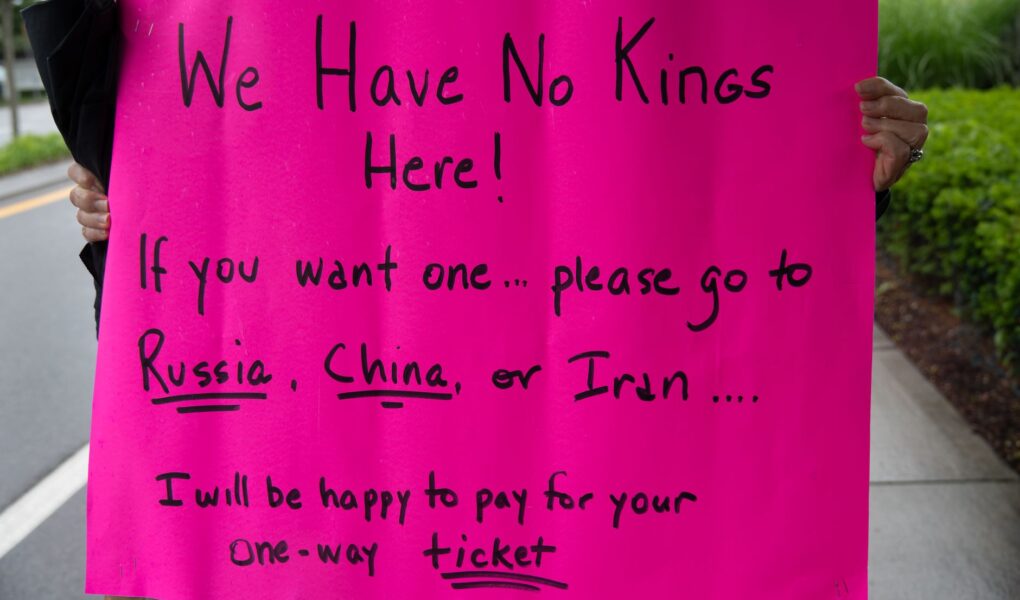
Trump Iran War is taking a dark turn as US troops prepare for deployment in 2027, raising concerns about escalating tensions and military involvement.
Overview of the Trump Iran War
The situation surrounding the Trump Iran War has escalated dramatically in recent months as strategists outline a troubling deployment plan for 2027. This initiative raises concerns over potential military engagement in the Middle East, which many believe could have far-reaching consequences.
The latest developments have sparked a wide range of reactions from political analysts, military experts, and the public. Key points of concern include:
- Increased Military Presence: The proposed deployment suggests a significant increase in U.S. troops, raising fears of an extended conflict.
- Diplomatic Tensions: Relations between the U.S. and Iran remain fraught, and this new strategy threatens to exacerbate existing tensions.
- Global Repercussions: Allies and adversaries alike are closely monitoring the situation, with potential shifts in international alliances.
- Domestic Implications: The prospect of war has reignited debates within the U.S. over military spending and foreign policy priorities.
As the 2027 deployment date approaches, the implications of the Trump Iran War will likely remain a focal point in both national and global discussions.
Implications of the Trump Iran War
The implications of the Trump Iran War are vast and multifaceted, affecting not only the U.S. and Iran but also the broader geopolitical landscape. As tensions rise, several key factors emerge that could shape the future of international relations.
- Regional Instability: The potential for a military conflict could lead to increased instability in the Middle East, affecting neighboring countries and their governments.
- Global Economic Impact: A war could disrupt oil supplies, causing fluctuations in global markets and impacting economies worldwide.
- Humanitarian Concerns: Military actions may result in significant civilian casualties and humanitarian crises, further complicating international response efforts.
- U.S. Domestic Politics: The Trump Iran War could polarize American political opinions, affecting the 2028 elections and shaping public discourse around foreign policy.
- Alliances and Partnerships: The conflict may strain existing alliances, as countries weigh their positions regarding U.S. military actions and Iran’s response.
Ultimately, the consequences of the Trump Iran War could reverberate for years, making it crucial for policymakers to consider all potential outcomes before any deployment occurs in 2027.
US Troops and the Trump Iran War
The potential for a Trump Iran War has raised significant concerns regarding the deployment of US troops in 2027. As tensions escalate, military strategists are grappling with the implications of such a move. The current deployment plan has been criticized for its lack of clarity and foresight.
Experts warn that sending troops into a volatile region could have dire consequences. Among the primary concerns are:
- Increased Risk of Escalation: A military presence could provoke further aggression from Iran, potentially leading to a wider conflict.
- Impact on Global Relations: The decision to deploy troops may strain diplomatic ties with allies who oppose military intervention.
- Humanitarian Consequences: A war could result in significant civilian casualties, raising moral questions about the effectiveness of such a strategy.
As the 2027 timeline approaches, the call for a reevaluation of troops’ roles in the region becomes increasingly urgent. The ramifications of the Trump Iran War could reverberate far beyond the battlefield, affecting national security and global stability.
Future of the Trump Iran War
The future of the Trump Iran War remains uncertain as strategic decisions are being made regarding troop deployments and military readiness. In light of recent developments, experts have raised concerns about the implications of the planned military action set for 2027.
Various factors could influence the trajectory of this conflict:
- Political Climate: The domestic political landscape will play a significant role in shaping military strategy and public support for intervention.
- International Relations: Diplomatic relations with allies and adversaries in the region could impact the effectiveness of the deployment plan.
- Military Readiness: The preparedness of US troops and the resources allocated to the mission will determine the success of any military engagement.
- Public Opinion: Growing skepticism among the American public regarding foreign military interventions may challenge the administration’s justification for the Trump Iran War.
As the situation evolves, many are watching closely to see how these dynamics will unfold leading up to 2027, and what that means for both the United States and Iran.
Global Reactions to the Trump Iran War
As tensions escalate with the announcement of the Trump Iran War, global reactions have varied significantly, reflecting the complexities of international diplomacy. Many world leaders have expressed grave concerns over the potential for widespread conflict in the Middle East.
- European Union: The EU has urged both sides to engage in dialogue, emphasizing the need for diplomatic solutions to prevent further escalation.
- Russia: Russian officials have condemned the deployment of US troops, warning that it could destabilize the entire region and lead to catastrophic consequences.
- China: China has called for restraint, advocating for peaceful negotiations rather than military action, and has offered to mediate discussions between the US and Iran.
On the other hand, some nations in the Middle East have expressed support for the US stance, viewing it as a necessary measure to counter Iran’s influence. The Trump Iran War has not only divided opinions but has also raised fears of a new arms race in the region.
As 2027 approaches, the international community remains watchful, hoping for a resolution that avoids further conflict and instability.
Analysis of the Trump Iran War Strategy
The Trump Iran War strategy has faced significant scrutiny as the proposed deployment plan for 2027 unfolds. Analysts argue that the approach lacks clarity and coherence, raising concerns about its long-term viability.
One of the primary criticisms focuses on the following key aspects:
- Military Readiness: The readiness of US troops has been called into question, with many experts emphasizing the need for thorough training and support before any potential engagement.
- Escalation Risks: There is a growing fear that the deployment could escalate tensions not only with Iran but also with other regional powers, potentially leading to a broader conflict.
- Clear Objectives: The strategy appears to lack clear, achievable objectives, making it difficult for military leaders to assess success or failure.
- Public Sentiment: As public opinion shifts, there is uncertainty about the level of support for military action, which could impact political backing for the Trump Iran War.
In summary, the current strategy raises numerous questions about its effectiveness and sustainability in the face of complex geopolitical realities.
Photo by Beth Fitzpatrick on Pexels