
Which HVAC improvements can help a home use energy more effectively without sacrificing comfort? Property owners evaluating HVAC Ventura County solutions can look beyond basic equipment replacement and examine the factors that determine how efficiently a heating and cooling system operates. Equipment condition, thermostat settings, duct integrity, insulation, airflow, and maintenance all influence performance. A coordinated upgrade can address these areas while creating a more predictable indoor environment throughout changing seasonal conditions.
What’s Covered
- What Makes an HVAC System Energy Efficient?
- Should Homeowners Replace Equipment or Repair It?
- Why Is System Sizing Important?
- Can Duct Sealing Improve System Performance?
- How Does a Programmable Thermostat Reduce Unnecessary Operation?
- Are Heat Pumps Worth Considering for HVAC Upgrades?
- What Is the Connection Between Insulation and HVAC Demand?
- Does Regular Filter Replacement Really Matter?
- How Can Zoning Address Uneven Temperatures?
- Can Preventive Maintenance Protect Energy Efficiency?
- What HVAC Improvements Can Help During Peak Cooling Periods?
- How Should Homeowners Measure the Results of an Upgrade?
- Is Professional Installation Important for Energy Savings?
- What Is a Practical Order for HVAC Improvements?
- How Can a Long-Term HVAC Plan Improve a Property?
What Makes an HVAC System Energy Efficient?
An energy-efficient HVAC system provides the required heating or cooling while minimizing unnecessary energy consumption. This depends on equipment efficiency, correct sizing, proper airflow, and effective distribution throughout the building.
Efficiency should therefore be viewed as a system-wide measurement rather than a single equipment specification. Even advanced technology can underperform when installation conditions are poor.
For homeowners, the first step is understanding how the existing system behaves. Long operating cycles, frequent starts, inconsistent temperatures, unusual sounds, and rising energy demand can indicate that an inspection is appropriate.
Should Homeowners Replace Equipment or Repair It?
The answer depends on the age, condition, repair history, and performance of the existing system. A relatively modern unit with a minor service issue may continue performing effectively after repair. An older system with recurring mechanical problems may warrant a broader replacement evaluation.
Replacement decisions should not be based on age alone. A system that is properly maintained and delivering consistent comfort may not require immediate replacement.
On the other hand, repeated repairs can become disruptive and may indicate declining reliability. Comparing expected repair needs with the benefits of modern equipment can help homeowners determine an appropriate path.
Why Is System Sizing Important?
Correct capacity is essential for reliable HVAC operation. A system must provide enough heating or cooling during demanding weather without being substantially oversized for the property.
Oversized equipment may reach the thermostat setting quickly and shut down before completing an efficient operating cycle. Undersized equipment may run for extended periods while struggling to maintain the desired temperature.
A professional load calculation provides a more reliable basis for equipment selection than a simple comparison of floor area. Factors such as windows, insulation, ceiling height, building orientation, occupancy, and solar exposure can all influence heating and cooling requirements.
Can Duct Sealing Improve System Performance?
Duct sealing can be an important upgrade when conditioned air is escaping through gaps or poorly connected sections. Leaking ducts may distribute less air to occupied rooms and can increase the workload placed on the HVAC system.
An inspection can identify visible damage, disconnected sections, inadequate insulation, and other distribution concerns. Sealing and insulating appropriate areas can help improve delivery efficiency.
Duct improvements may be especially relevant when some rooms consistently feel warmer or cooler than others. However, temperature imbalance can have several causes, so a complete airflow evaluation is preferable to assuming that duct leakage is the only issue.
How Does a Programmable Thermostat Reduce Unnecessary Operation?
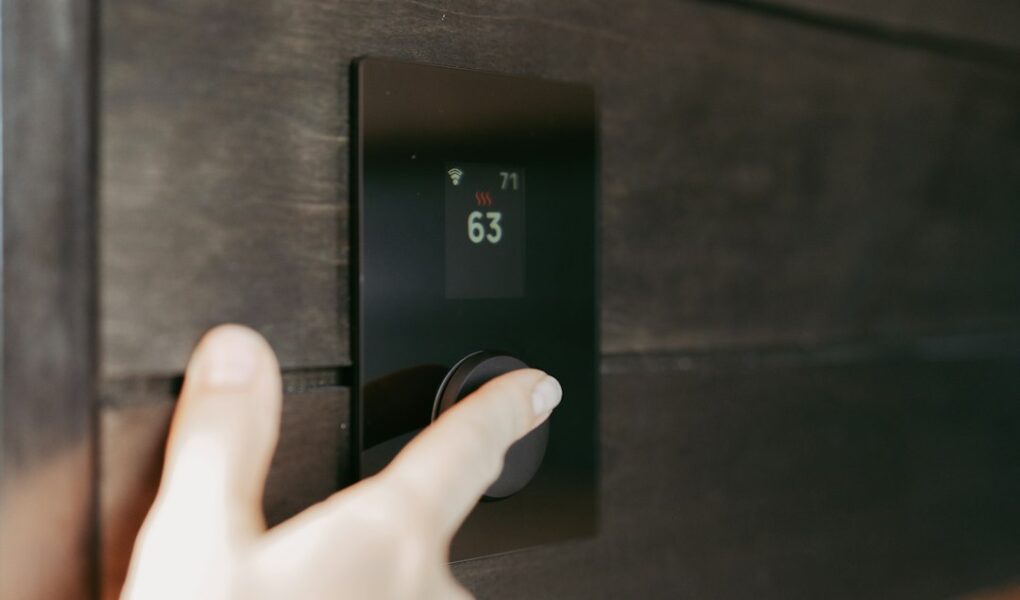
A programmable thermostat allows homeowners to establish temperature schedules based on occupancy and daily routines. Instead of maintaining identical settings throughout the day, the system can operate according to when heating or cooling is actually needed.
This approach can reduce unnecessary runtime when a property is empty. Seasonal scheduling can also be adjusted as household routines change.
Advanced controls may offer additional features, including remote adjustment, temperature monitoring, maintenance reminders, and energy-use information. The most useful thermostat is one that is compatible with the HVAC equipment and simple enough for household members to use consistently.
Are Heat Pumps Worth Considering for HVAC Upgrades?
Heat pumps can provide both heating and cooling from a single system. Rather than generating heat in the same way as conventional combustion-based equipment, a heat pump transfers heat between indoor and outdoor environments.
Modern heat pump technology can provide efficient operation under a range of conditions. Its suitability depends on the property’s existing infrastructure, electrical setup, insulation, climate exposure, and household preferences.
A professional assessment can determine whether a heat pump configuration makes sense for a particular home. It may also be necessary to evaluate backup heating requirements and existing ductwork before making a final decision.
What Is the Connection Between Insulation and HVAC Demand?
Insulation affects how quickly heat moves through the building envelope. In warm weather, inadequate insulation can allow exterior heat to enter more easily, increasing cooling demand.
Improving attic insulation and addressing other weak points can help stabilize indoor temperatures. Air sealing around suitable openings can also reduce unwanted heat transfer and drafts.
This means that energy savings do not always begin with the HVAC unit. Sometimes improving the structure around the system allows the equipment to operate under less demanding conditions.
Does Regular Filter Replacement Really Matter?
Yes. The air filter is a small component, but its condition can influence airflow. A heavily loaded filter may restrict the amount of air moving through the system.
Filter requirements vary according to equipment design, household conditions, and manufacturer guidance. Homeowners should follow the recommended replacement or cleaning schedule rather than relying on a single universal interval.
Checking filters regularly is one of the simplest maintenance practices available. It also provides an opportunity to notice unusual dust accumulation or other signs that may warrant professional attention.
How Can Zoning Address Uneven Temperatures?
Different parts of a home can experience very different heating and cooling requirements. Rooms with substantial afternoon sun may become warmer than shaded spaces, while upper floors can respond differently from lower levels.
Zoning systems allow temperature management to be divided into separate areas. This can reduce the need to condition every part of a property to the same level at the same time.
Zoning works best when the HVAC equipment, ductwork, dampers, and controls are designed to operate together. A professional evaluation can determine whether an existing system is suitable for this type of upgrade.
Can Preventive Maintenance Protect Energy Efficiency?
Preventive maintenance can help keep an HVAC system operating close to its intended performance. Mechanical components gradually collect debris, connections can loosen, and airflow conditions can change over time.
Routine service may include inspection of coils, electrical components, blower operation, condensate drainage, refrigerant-related conditions, thermostat performance, and airflow.
Maintenance also provides an opportunity to identify developing problems before they become larger failures. For homeowners focused on efficiency, it is a practical way to keep the system operating reliably between major upgrades.
What HVAC Improvements Can Help During Peak Cooling Periods?
During periods of high outdoor temperatures, an HVAC system may operate for longer periods. Several upgrades can help reduce unnecessary demand.
Improved insulation can slow heat transfer, while duct sealing can help conditioned air reach intended spaces. Smart thermostat scheduling can reduce cooling in unoccupied areas, and properly maintained equipment can support consistent airflow.
Window coverings and appropriate shading can also reduce direct solar heat gain. These measures work together, allowing the HVAC system to address a more manageable indoor cooling load.
How Should Homeowners Measure the Results of an Upgrade?
Energy bills can provide one useful indicator, but they should not be the only measurement. Weather conditions, occupancy, thermostat habits, electricity rates, and seasonal changes can affect monthly consumption.
Homeowners can also monitor comfort consistency, system runtime, indoor humidity, airflow, and the frequency of service calls. Smart controls may provide additional operating information.
Comparing performance over several comparable periods can provide a more meaningful picture than judging an upgrade from a single utility bill.
Is Professional Installation Important for Energy Savings?
Installation quality can significantly influence HVAC performance. Correct equipment selection, sizing, refrigerant procedures, electrical connections, airflow, duct integration, and thermostat configuration all matter.
A technically efficient unit cannot compensate for poor installation practices. Commissioning the system after installation helps verify that the equipment is operating correctly and that controls and airflow are functioning as intended.
Homeowners should therefore evaluate an HVAC upgrade as both an equipment decision and an installation decision.
What Is a Practical Order for HVAC Improvements?
A logical sequence often begins with an inspection and assessment. Identifying the current system’s condition makes it easier to distinguish between maintenance needs, building-envelope improvements, distribution problems, and equipment replacement.
Next, homeowners can address straightforward efficiency concerns such as filters, airflow restrictions, duct leakage, insulation gaps, or thermostat settings. If the equipment itself is outdated or unreliable, replacement can then be evaluated using proper load calculations and efficiency considerations.
This process avoids spending money on a single component without understanding the factors affecting the entire system.
How Can a Long-Term HVAC Plan Improve a Property?
A long-term HVAC strategy allows homeowners to make improvements gradually instead of responding only when equipment fails. Regular inspections can identify declining performance, while energy-conscious upgrades can be scheduled according to household priorities.
Over time, improvements to equipment, controls, ductwork, insulation, and maintenance practices can complement one another. The result is a more coordinated approach to indoor comfort and energy management.
For Ventura County homeowners, an effective HVAC plan should reflect the property’s specific characteristics rather than rely on a one-size-fits-all solution. Evaluating cooling demand, equipment condition, airflow, insulation, controls, and maintenance together creates a clearer picture of where improvements can deliver practical value. With thoughtful planning and professional installation, HVAC upgrades can support consistent comfort while helping a home operate more efficiently throughout the year.
The Short Version
- HVAC performance is influenced by equipment condition, thermostat settings, duct integrity, insulation, airflow, and maintenance.
- An energy-efficient HVAC system minimizes energy consumption while providing required heating or cooling based on system-wide measurements rather than single equipment specifications.
- Correct system sizing is crucial for effective HVAC operation, as oversized units may short cycle, while undersized units may struggle to maintain desired temperature.
- Duct sealing can improve HVAC performance by preventing conditioned air from escaping, but a comprehensive airflow evaluation is necessary to address potential temperature imbalances.
- Programmable thermostats allow homeowners to reduce unnecessary HVAC runtime by scheduling temperature settings according to occupancy patterns.
- Insulation quality impacts HVAC demand, as inadequate insulation can raise cooling needs by allowing exterior heat to penetrate more easily.


