
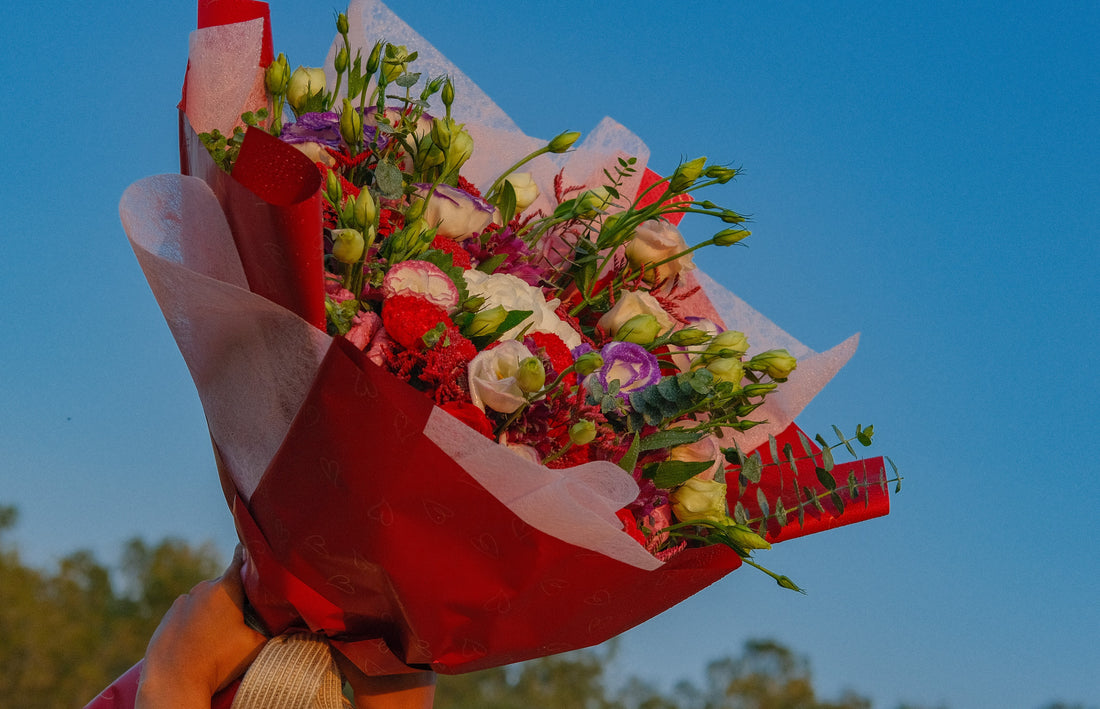
Flowers are a universal symbol of beauty, love, and life. Their bright colors, soft textures, and delicate scents bring joy and comfort. For centuries, humans have cherished them for both emotional and practical purposes. Whether blooming in nature or arranged in elegant designs, flowers continue to play a meaningful role in our lives.
The Symbolism and Cultural Meaning of Flowers
Flowers as Emotional Messengers
Flowers speak when words fall short. A bouquet can express love, gratitude, sympathy, or celebration. Each flower type and color carries its own meaning, forming a silent but powerful language.
Cultural Significance Around the World
Across cultures, flowers represent values like purity, strength, and renewal. Red flowers often symbolize romance, while white ones offer peace and respect. Used in weddings, rituals, and holidays, flowers bridge traditions and emotions worldwide.
Flowers and Their Role in Nature
Pollinators and Plant Reproduction
In nature, flowers are essential for plant reproduction. They attract pollinators such as bees, butterflies, and birds. These creatures transfer pollen, helping plants produce seeds and fruits.
Maintaining Biodiversity
A wide variety of flowers supports a healthy environment. They provide food and shelter for small insects and birds. Flowers also improve soil and support other plants through natural growth cycles.
Understanding Flower Types and Bloom Cycles
Seasonal Bloomers vs. Perennials
Some flowers, like tulips and daffodils, bloom only in spring. Others, such as roses, can bloom several times a year. The blooming cycle depends on the species, climate, and care.
Wildflowers and Their Resilience
Wildflowers grow naturally without human help. They often survive in harsh conditions and adapt well to their environment. Their presence strengthens native ecosystems.
Ornamental Flowers vs. Wild Flowers
Purpose and Appeal of Ornamental Flowers
Ornamental flowers are grown for their beauty and variety. They are carefully arranged in gardens and events. Many are bred to enhance their shape, size, or color.
Wild Flowers and Ecological Benefits
Wild flowers thrive in nature without interference. They support pollinators and protect local ecosystems. Though simple, their beauty lies in their natural form and purpose.
The Language of Flower Arrangement
Designing with Purpose
Every flower arrangement tells a story. The shape, size, and direction of stems affect how people feel when they see it. Designers use balance and texture to create harmony.
Color Psychology in Flowers
Colors influence emotions. Red flowers stir passion, yellow brings cheer, and white offers calm. Pairing colors thoughtfully can deepen the emotional impact of a floral gift.
The Science of Flower Fragrance
Why Flowers Smell the Way They Do
Flowers release scents to attract specific pollinators. These scents vary depending on time of day and flower type. The fragrance often signals the best time for pollination.
The Scentless Varieties
Some flowers have little or no scent. Breeding for larger blooms or bright colors can remove fragrance genes. While visually stunning, these flowers lose a layer of natural charm.
Flowers in Daily Life and Gifting
Expressions for Every Occasion
People give flowers to celebrate, console, or simply show they care. Birthdays, anniversaries, and moments of grief are all softened by thoughtful floral gifts.
Convenience and Customization Today
Modern services make it easy to send flowers quickly. With same-day delivery and subscriptions, it’s simple to share beauty at any time. Customized arrangements ensure every bouquet feels personal.
For elegant arrangements, local delivery, and expert floral design, discover premium Flowers crafted with care and creativity, offering timeless expressions for every moment.