
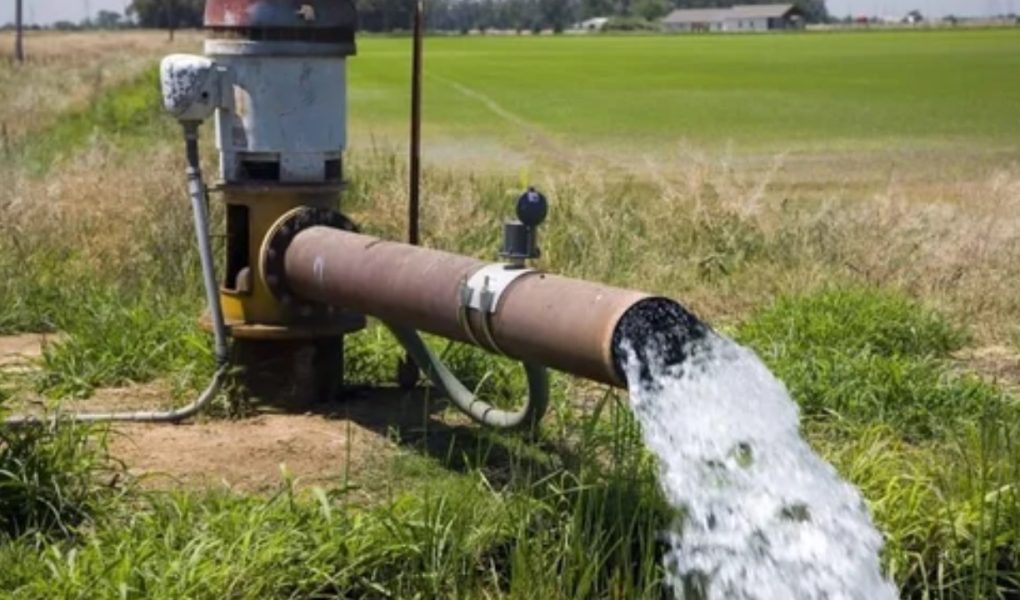
Getting the right irrigation pump might not be easy. There are so many models, sizes, and specifications available. This makes it daunting to determine the one best suited to your needs.
The most appropriate pump is not necessarily the largest or priciest. It is the one that fits your particular situation. Here are the main points that you should take into consideration before you make your choice.
Assess your water source and depth
The first thing you must know is the origin of your water. Is it a shallow pond, a river, a well, or perhaps a storage tank? Different kinds of pumps are needed in each source. For example, jet pumps work well for shallow wells. On the other hand, deeper underground water depths would require submersible pumps.
It is essential to measure the depth of your water source since pumps are programmed to operate under specific depths. Exceed them, and you will see a decline in performance.
Match the pump to your irrigation system
The type of irrigation system that you have is equally important as your source of water. A drip irrigation system has extremely different needs from sprinklers or a pivot system. Drip systems usually require lower flow rates, but constant, dependable pressure.
Sprinklers, on the contrary, require high amounts of pressure to spray over great distances evenly. Purchase after you have the knowledge of the kind of system you are running and the pump specifications it requires.
Determine the required flow rate and pressure
The flow rate is the quantity of water you require to move. Pressure is the strength of the water you require to deliver. These are two numbers that you cannot overlook. Not enough flow and your plants will lack water. Excessive pressure can cause pipes to break or waste power.
Fortunately, suppliers like Pumpbiz provide charts to assist in matching the pump capacity with your requirements. A few minutes to work out these requirements will save you much frustration later.
Consider your water quality
Not all water is the same. Certain sources contain sand, silt, or chemicals that eat away at the parts of the pump over time. If your water is not as pristine as it could be, you’ll be interested in a pump capable of working with debris. Or at least combine it with an adequate filtration system. Selecting a pump that’s not compatible with bad quality water may cause blockage, wear, and expensive maintenance.
Check the available energy sources
How will you power your pump? It may be electricity, diesel, gasoline, or even solar, depending on where you are. Consider the availability and the cost of energy in your area.
For example, electric pumps are cost-efficient. But they demand a constant power supply. Diesel pumps are flexible for remote locations. But they may be expensive to operate.
Calculate the total costs and efficiency
Lastly, don’t simply consider the initial price. Total cost of ownership comprises:
- Energy consumption
- Maintenance
- Repairs
- Lifespan.
A pump that is less expensive may cost you more over time in case it is ineffective or fails frequently. In some cases, the extra costs of efficiency and durability are worth it in years of dependable performance.