Selecting the correct tile adhesive plays a vital role in ensuring the durability, safety, and finish of tiled surfaces. Whether you are working on residential interiors, commercial spaces, or exterior areas, the performance of tiles depends greatly on the quality and suitability of the adhesive used. With multiple options available in the market, understanding how to choose the right adhesive for tiles can help prevent issues such as tile detachment, cracks, and uneven surfaces.
This guide explains the key factors to consider when selecting tile adhesives for walls and floors, helping you make informed decisions for long-lasting results.
Understanding Tile Adhesives
Tile adhesive is a specialized bonding material used to fix tiles securely onto surfaces such as concrete, cement, plaster, drywall, and existing tiles. Unlike traditional cement mortar, modern adhesive offers stronger bonding, better flexibility, and improved resistance to moisture and temperature changes.
These advanced formulations are part of a wider category of wall care products that enhance surface performance and longevity. Choosing the right adhesive ensures proper load distribution and reduces maintenance needs over time.
Types of Tile Adhesives Available
Before selecting the best chemical for tile fixing, it is important to understand the main types of tile adhesives commonly used:
Cement-Based Tile Adhesives: These are widely used for wall and floor applications. They offer good bonding strength and are suitable for ceramic and vitrified tiles. Cement-based adhesive for tiles is ideal for both interior and exterior areas when selected according to application requirements.
Ready Mix Tile Adhesives: Pre-mixed formulations save time and ensure consistent quality. They are commonly used for wall tiling, especially in residential projects, due to ease of application.
Chemical and Polymer-Modified Adhesives: These advanced options provide superior flexibility and adhesion. They are considered the best chemicals for tile fixing in areas exposed to moisture, vibrations, or heavy foot traffic.
Wall vs Floor Tile Adhesive Requirements
Tile adhesives for walls and floors differ in composition and performance characteristics.
For wall applications, the adhesive must prevent tile slippage and support vertical load. Lightweight adhesives with high grip strength are preferred for wall tiles, especially in bathrooms and kitchens.
For floors, the adhesive must withstand pressure, movement, and temperature variation. Floor adhesives require higher compressive strength and flexibility to prevent cracking under load.
Understanding this distinction is essential when selecting the right product from wall care products used in construction and renovation.
Factors to Consider When Choosing Tile Adhesive
Choosing the right tile adhesive depends on several technical and practical factors.
Tile Type and Size: Large-format tiles require adhesives with enhanced bonding strength. Ceramic, porcelain, vitrified, and stone tiles may each need different adhesive formulations.
Surface Condition: Smooth surfaces, uneven substrates, or existing tiled areas demand a specialized adhesive for tiles to ensure proper bonding. Surface preparation is equally important for effective results.
Application Area: Wet areas such as bathrooms, kitchens, and balconies require moisture-resistant solutions. In such cases, the best chemical for tile fixing should provide water resistance and long-term durability.
Environmental Conditions: Temperature fluctuations, humidity, and exposure to sunlight affect adhesive performance. Exterior applications demand flexible adhesives that can accommodate expansion and contraction.
Importance of Flexibility and Bond Strength
Flexibility is an essential characteristic of high-quality adhesive, as it allows the material to absorb movement caused by temperature changes, vibrations, or minor structural shifts. This flexibility helps prevent common issues such as tile cracking, lifting, and debonding over time. Equally important is strong bond strength, which ensures tiles remain securely fixed even under continuous use. This becomes critical in high-traffic areas, commercial spaces, and multi-story buildings where surfaces experience constant stress.
Together, flexibility and bonding performance define reliable wall care products that enhance durability, reduce maintenance needs, and support the demands of modern construction projects.
Application Techniques Matter
Even the chemical for tile fixing will not perform well if applied incorrectly. Proper mixing, correct trowel size, and even application are crucial.
Tiles should be pressed firmly into the adhesive to eliminate air gaps. Adequate curing time must be allowed before grouting or exposing the surface to load or moisture.
Correct application maximizes the performance of the adhesive for tiles and extends the lifespan of the tiled surface.
Common Mistakes to Avoid
- Using the wrong adhesive type for walls or floors
- Ignoring tile size and weight
- Applying adhesive to unprepared or dusty surfaces
- Not following recommended curing times
Avoiding these mistakes ensures the selected adhesive delivers optimal results and maintains surface integrity.
Role of Tile Adhesives in Modern Construction
Modern construction focuses on efficiency, durability, and high-quality finishes, making tile adhesives an essential part of today’s building practices. Compared to traditional fixing methods, adhesive offers stronger bonding, easier application, and consistent performance across different surfaces. These advanced solutions help achieve precise tile alignment while reducing installation time and labor effort. As key products for wall care, tile adhesives minimize material wastage and enhance the overall appearance of walls and floors.
Selecting the best chemical for tile fixing ensures long-lasting adhesion, resistance to moisture and movement, and improved surface stability. Both builders and homeowners benefit from reliable tile adhesives that support durable, professional, and visually appealing construction outcomes.
Conclusion
Choosing the right tile adhesive for walls and floors is essential for achieving durable, safe, and visually appealing tiled surfaces. By considering tile type, surface condition, application area, and environmental factors, you can select an adhesive for tiles that delivers strong bonding and long-term performance. Investing in the right wall care products ensures reliability, reduced maintenance, and professional quality results in every tiling project.
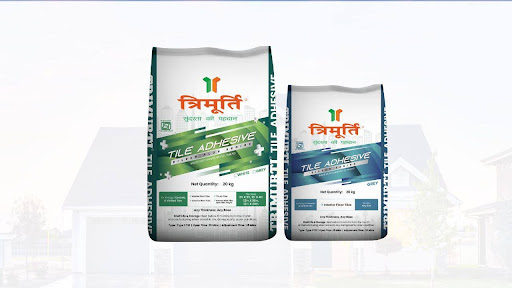
Trimurti offers a comprehensive range of construction and wall care solutions designed to meet modern building requirements. With advanced formulations, strict quality standards, and a focus on durability, their products support reliable tile fixing, surface preparation, and long-lasting finishes. Trusted by professionals, Trimurti delivers solutions that enhance construction efficiency and performance.