
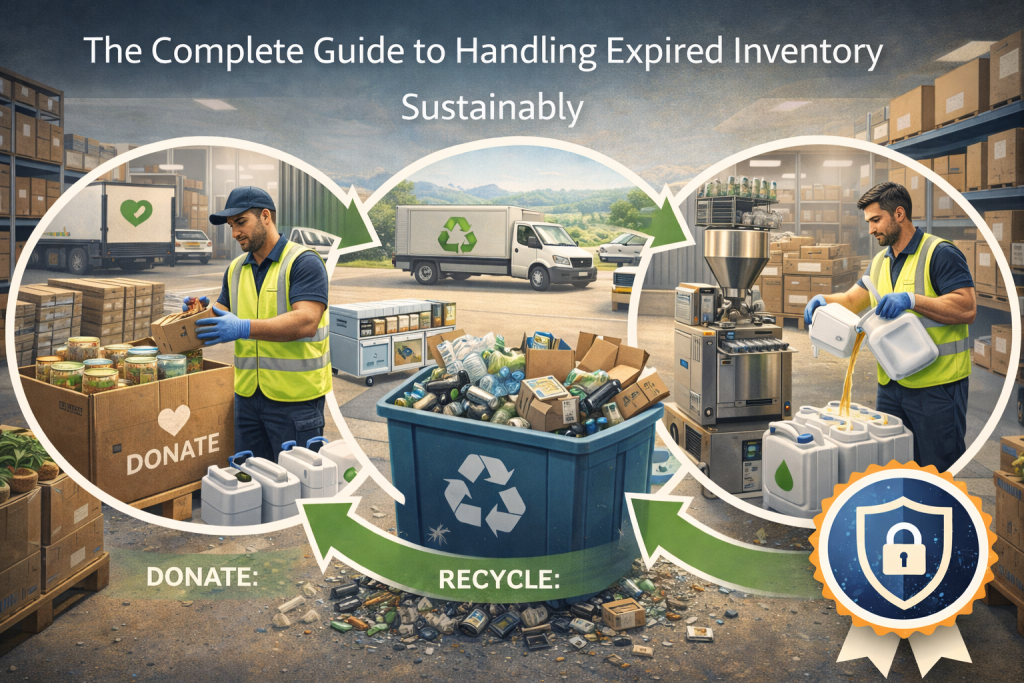
Managing expired inventory is a critical concern for businesses across all sectors. Improper disposal not only affects company resources but also has a significant environmental impact. Engaging professional e-waste services in Dubai ensures that outdated or expired products are processed safely and sustainably.
By following strategic methods, businesses can minimize waste, comply with regulations, and even contribute to environmental preservation.
Understanding Expired Inventory and Its Implications
Expired inventory refers to products that have surpassed their usable shelf life or are no longer fit for sale. Handling such items incorrectly can result in legal liabilities, financial loss, and environmental damage. Recognizing the importance of sustainable practices helps organizations adopt responsible disposal methods.
- Regulatory Compliance
Companies must adhere to local and international guidelines for disposing of expired goods. Proper compliance avoids fines, legal action, and damage to the brand’s reputation. Understanding these regulations ensures safe disposal while aligning with sustainability goals. - Financial Management
Holding onto expired inventory occupies valuable storage space and ties up capital. Implementing a systematic disposal strategy can reduce storage costs, optimize inventory turnover, and enhance overall business efficiency. - Environmental Responsibility
Expired products, especially electronics and chemicals, can release harmful substances into the environment if disposed of incorrectly. Sustainable handling prevents pollution and promotes a circular economy.
Methods for Sustainable Disposal
Proper disposal of expired inventory involves a combination of methods designed to minimize waste and maximize resource recovery. Employing a structured approach guarantees environmental safety and business efficiency.
- Recycling Programs
Recycling transforms expired materials into reusable resources. Businesses can partner with certified recyclers to process metals, plastics, and electronic components. This reduces landfill waste and supports resource conservation. - Donation and Repurposing
Some expired items, particularly non-hazardous products, can be donated to community programs or repurposed creatively. Repurposing extends the life of materials, reduces waste, and adds social value. - Incineration with Energy Recovery
For items that cannot be recycled or reused, controlled incineration with energy recovery is an option. This method safely disposes of hazardous materials while generating energy, minimizing environmental harm.
Role of Professional Handling Services
Engaging specialized services ensures expired inventory is managed efficiently and responsibly. Companies offering these solutions maintain industry standards and provide transparency throughout the process.
- Expert Assessment of Inventory
Professionals assess the expired inventory to determine the safest disposal method. They categorize items based on risk, material type, and potential for recycling, ensuring compliance with environmental standards. - Certified Processing Facilities
Certified facilities guarantee that expired products are processed according to strict environmental guidelines. This mitigates the risk of contamination, pollution, and legal penalties. - Documentation and Reporting
Businesses receive detailed reports of disposal activities, including quantities, methods, and certification. Proper documentation demonstrates compliance and accountability to stakeholders.
Electronic Waste Considerations
Electronic products make up a significant portion of expired inventory in modern businesses. Handling e-waste requires careful attention to prevent environmental damage and data breaches.
- Secure Data Destruction
Electronic devices often contain sensitive business or customer information. Proper destruction methods ensure that data is irretrievably erased, reducing the risk of data theft and compliance violations. Certified professionals follow strict protocols to protect your company and stakeholders. - Safe Dismantling and Recycling
Devices contain hazardous materials like lead, mercury, and cadmium. Safe dismantling ensures these substances do not contaminate the environment. Recyclers extract usable components while disposing of hazardous elements responsibly. - Transportation and Logistics
Moving expired electronic items requires careful handling to prevent damage or leakage of toxic substances. Professional e-waste pick-up service in Dubai provides secure, insured transportation, ensuring items reach recycling facilities safely.
Inventory Auditing for Sustainability
Conducting regular audits of inventory helps businesses identify expired or soon-to-expire products, allowing for proactive management.
- Systematic Inventory Checks
Periodic reviews help detect items approaching expiration. Early identification prevents the accumulation of unusable products and enables timely disposal. - Tracking and Monitoring Tools
Implementing inventory management software allows businesses to track shelf life, optimize ordering, and minimize waste. Advanced tools also provide alerts for products nearing expiry. - Sustainability Assessment
Auditing enables companies to evaluate environmental impact, set targets for waste reduction, and integrate sustainable practices into daily operations.
Packaging and Material Recovery
Expired inventory often includes packaging materials that can be recycled or repurposed. Efficient recovery reduces environmental impact and promotes a circular economy.
- Segregation of Materials
Separating paper, plastic, and metal components facilitates proper recycling. Sorting ensures that each material is processed correctly and reduces contamination. - Upcycling Opportunities
Some packaging materials can be creatively reused in production or office environments. Upcycling contributes to cost savings and environmental stewardship. - Eco-Friendly Partnerships
Working with certified recycling partners guarantees that all recovered materials are processed sustainably, closing the loop in waste management.
Maintaining Corporate Responsibility
Handling expired inventory sustainably is not just an operational decision; it reflects corporate responsibility. Companies that adopt sustainable practices enhance their reputation, meet stakeholder expectations, and comply with global environmental standards.
- Transparency in Practices
Publicly sharing sustainable inventory disposal strategies strengthens customer trust and demonstrates commitment to environmental ethics. - Employee Engagement
Educating employees about proper disposal methods fosters a culture of responsibility. Awareness initiatives encourage staff to participate actively in sustainability programs. - Long-Term Sustainability Goals
Integrating expired inventory management into broader environmental strategies ensures businesses meet long-term sustainability objectives while optimizing operations.
Conclusion
Handling expired inventory responsibly is essential for businesses aiming to reduce environmental impact, optimize resources, and maintain compliance. By leveraging professional solutions like e-waste services in Dubai and integrating organized disposal strategies, companies can transform expired products into valuable resources.
Engaging reliable providers that offer e-waste pick-up service in Dubai streamlines the process, ensuring ethical, secure, and efficient handling.
For businesses committed to sustainability, working with trusted organizations such as Planet Green Recycling (L.L.C) offers comprehensive solutions for expired inventory, combining expertise, transparency, and eco-friendly practices. By adopting these strategies, companies contribute meaningfully to environmental preservation while maintaining operational efficiency.