
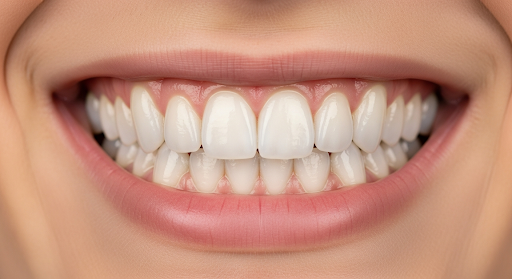
A beautiful, confident smile can transform the way you look, feel, and interact with the world. For many people, chipped teeth, discoloration, gaps, or uneven alignment can affect self-esteem and stop them from smiling freely. This is where dental veneers play a powerful role in aesthetic dentistry. Whether someone wants subtle refinement or a complete smile makeover, veneers are considered one of the most effective cosmetic solutions available. Many people also seek guidance from the best dentist for veneers to ensure the treatment is done safely, accurately, and beautifully.
What Are Dental Veneers
Dental veneers are ultra-thin, custom-crafted shells made from either porcelain or composite resin. They are bonded to the front surface of the teeth to enhance appearance and correct visible imperfections. The beauty of veneers lies in how natural they look, carefully designed to match tooth shade, translucency, and structure, they seamlessly blend with the rest of your smile.
Veneers are ideal for correcting:
- Stains and discoloration that don’t respond to whitening
• Minor misalignment or misshapen teeth
• Chips and cracks
• Gaps between teeth
• Worn-down teeth from grinding or aging
Types of Dental Veneers
There are primarily two widely used types of veneers:
Porcelain Veneers:
These are highly durable, stain-resistant, and mimic the natural translucency of real teeth. They generally last longer and retain their brightness and appearance for many years.
Composite Veneers:
These are a more affordable option and can often be applied in a single visit. Made from composite resin material, they provide good aesthetics but may stain slightly faster than porcelain and may need replacement earlier.
The choice between porcelain and composite depends on personal goals, budget, dental condition, and professional advice.
Things to Consider Before Getting Veneers
Before committing to veneers, it’s important to understand the process and requirements:
Dental Health First:
Healthy gums and teeth are crucial before veneer treatment. Any decay, infection, or gum disease must be addressed first to ensure successful results.
Tooth Preparation:
A minimal layer of enamel is usually removed to allow veneers to fit smoothly. This ensures the veneers look natural and not bulky.
Cost and Investment:
Veneers are a cosmetic enhancement and often not covered by insurance. However, patients consider them a long-term investment in confidence, appearance, and oral aesthetics.
Longevity:
With proper care, veneers can last 10–15 years or longer. Longevity depends on material quality, professional skill, and how well they are maintained.
Maintenance Commitment:
Good brushing habits, avoiding extremely hard foods, regular dental checkups, and not using teeth as tools help maintain veneers beautifully for years.
How Do Dental Veneers Work: The Procedure
The veneer journey typically follows a structured process:
Consultation and Evaluation:
During the initial consultation, the dentist evaluates your oral condition, understands your expectations, and explains suitable veneer options.
Smile Designing and Planning:
Digital imaging, mock-ups, and shade selection help determine how the smile will look after treatment.
Tooth Preparation:
A small amount of enamel is gently reshaped to accommodate veneers comfortably.
Temporary Veneers (If Needed):
Temporary veneers protect prepared teeth while permanent ones are being customized in the dental laboratory.
Final Placement:
Once ready, veneers are securely bonded using advanced dental adhesives. Final polishing ensures perfect shine and alignment.
Benefits of Dental Veneers
Dental veneers are popular worldwide because they offer remarkable advantages:
- They instantly enhance smile aesthetics: Veneers immediately transform the appearance of teeth by correcting imperfections like discoloration, chips, gaps, and uneven shapes, resulting in a more attractive smile.
- They look natural and blend beautifully with real teeth: Designed to match tooth color, shape, and translucency, veneers seamlessly integrate with surrounding teeth, making them look completely natural.
- Porcelain veneers are highly stain-resistant: Porcelain has a smooth, non-porous surface that resists stains from food, beverages, and lifestyle habits, helping your smile stay bright longer.
- They offer a minimally invasive alternative to crowns: Veneers require only slight enamel removal compared to crowns, preserving more natural tooth structure while still providing strong cosmetic improvement.
- They help improve facial balance and smile symmetry: By refining tooth size, alignment, and proportions, veneers create a more harmonious smile, enhancing overall facial appearance and balance.
- They can boost self-confidence and emotional well-being: A beautiful smile encourages more open communication, confidence in social and professional settings, and a positive self-image.
When Are Veneers Not Suitable?
While veneers are versatile, they may not be suitable in cases of severe tooth decay, extremely weak tooth structure, advanced gum disease, or major bite alignment issues. In such situations, dentists may recommend crowns, orthodontic treatment, or implants instead. A thorough evaluation helps determine suitability.
Caring for Veneers
With proper care, veneers remain attractive and durable for many years:
- Maintain regular brushing and flossing
• Avoid biting extremely hard objects
• Limit habits like nail-biting or pen chewing
• Visit your dentist regularly for checkups and cleaning
• Wear a night guard if you grind teeth
Psychological and Lifestyle Benefits
Beyond aesthetics, veneers contribute significantly to emotional well-being. Many people who previously avoided smiling, public speaking, or social interactions gain renewed confidence. Professionally, a confident smile can enhance personal presentation and communication. Emotionally, it helps people feel more comfortable, expressive, and happy with their appearance.
Conclusion
Dental veneers represent the perfect combination of science, artistry, and precision dentistry. Whether you want to correct imperfections, restore damaged teeth, or simply achieve a brighter, more harmonious smile, veneers offer a minimally invasive and highly effective solution. With the right professional guidance, realistic expectations, and proper care, they can transform not just teeth, but confidence, personality, and quality of life. And if you’re exploring treatment possibilities, consulting a trusted veneers dental clinic near me ensures you receive expert advice and care tailored to your needs.
Queens Medical Center is known for providing comprehensive healthcare with a patient-focused approach. Their emphasis on quality, safety, comfort, and ethical practice helps individuals feel cared for while receiving reliable medical and dental support. Their environment encourages informed decision-making, compassionate care, and long-term wellness for patients and families alike.

