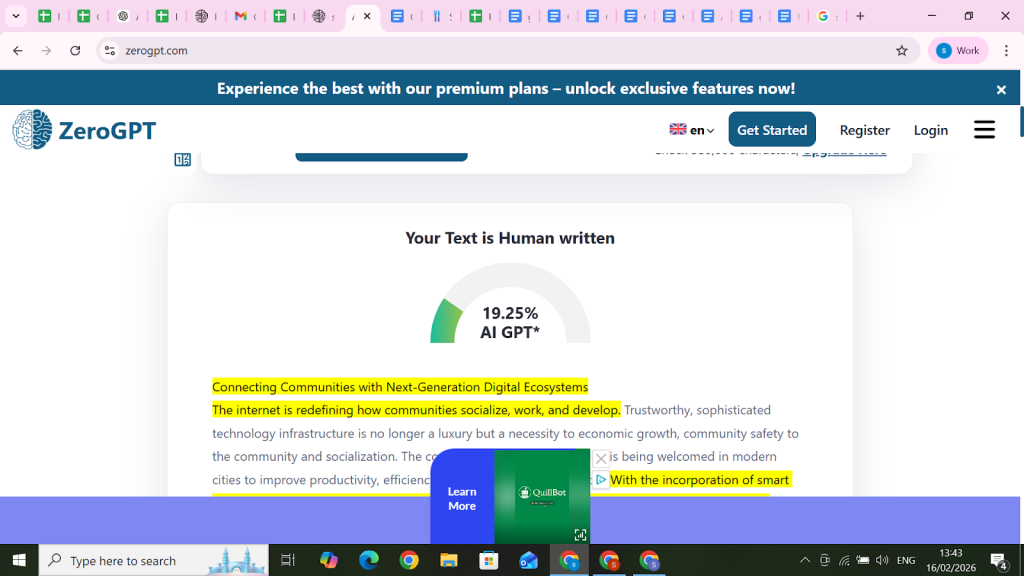

The internet is redefining how communities socialize, work, and develop. Trustworthy, sophisticated technology infrastructure is no longer a luxury but a necessity to economic growth, community safety to the community and socialization. The concept of interconnected cities is being welcomed in modern cities to improve productivity, efficiency and accessibility in all sectors. With the incorporation of smart platforms, real-time information, and scalable networks, communities will experience revolutionary changes in governance, education, healthcare, and business services.
Investments in digital infrastructure services provide the foundation for these next-generation ecosystems. From high-speed broadband to cloud-enabled platforms, these services ensure that cities, organizations, and communities are equipped to manage modern demands effectively. Proper implementation of digital infrastructure also facilitates innovation, boosts resilience, and enables citizens to access smart solutions seamlessly.
Pioneering Tomorrow in a Mainstream Banking Technology Conference
Banking is no longer about ledgers and branches — it is about data, experience, and agility. A visionary banking technology conference is the best platform for bringing together disruptors and incumbents to create the future of finance.
1. The Re-definition of Customer Experience, by the Digital Platforms
The current financial service customers demand user-friendly online experiences, a smooth onboarding process, and customer-centric interactions. During a major banking technology conference, the executives present plans to harness mobile applications, predictive analytics, and user interface design to eliminate friction – so that consumers can make complex financial decisions in an easy and simple manner, whether it be loan applications or live money management cockpits.
2. AI and Automation: The Reorganization of Operating Processes
Artificial intelligence and automation are not buzzwords, but they are drivers of efficiency. Institutions showcase examples of AI chatbots, fraud detection models, and robotic process automation, improving the level of service delivered, reducing operational expenses, and improving decision-making with real-time information in use cases presented at such events.
3. Security and Trust: The Digital Finance Pillar
As cyber threats grow, a banking technology event showcases the latest cybersecurity developments. The issue of cryptographic safeguards, multi-factor identity frameworks, and ongoing tracking systems is also covered, with a focus on ensuring trust despite the increased fluidity of customer access and the central role of digital trust.
4. Digital Infrastructure Services as a Strategic Growth Driver
Now, data analytics is a strategic muscle in banks and other financial institutions. The speakers reveal how digital infrastructure services—such as integrated cloud systems, analytics platforms, and secure networks—enable institutions to create smart credit products, dynamic pricing models, and consumer segmentation devices. These services enable cities and financial institutions to manage growth efficiently while providing seamless, secure, and resilient digital experiences.
5. Banks and Fintech Innovator Partnerships
The future is characterized by collaboration, as opposed to competition. Banks and fintech startups meet halfway – by combining APIs, joint ventures, or co-developed platforms in the delivery of expanded services that none could provide individually, open innovation models take the centre stage in financial solutions.
Discovering the Landscape of the Banking & Finance Exhibition
The intersection of vision and implementation is a banking & finance exhibition—a blend of products, knowledge, and disruptive thinking that will define the future of the next-generation financial ecosystem.
1. Exhibiting Transformative Technologies
During one of the largest banking and finance expos, visitors can experience the latest technologies defining the future, such as blockchain-powered payment railways, biometric authentication systems, and cryptocurrency-enabled infrastructure, among others, thus enabling delegates to interact with solutions that previously remained theoretical.
2. Global Collaboration and Networking
Such shows are international hubs in which creators, regulators, investors, and executives build networks. Developed networking areas and discussions with panels to help create partnerships that increase market penetration, sharing of knowledge, and strategic alliances.
3. Demonstration and Laboratory Interactive Learning
Other than presentations, exhibitions provide practical learning. Live demos, sandbox environments, and innovation labs enable visitors to experience how new platforms can operate – either a smart contract application or an AI-driven risk-assessment tool.
4. Thought Leadership Forums and Debates
A banking & finance expo charges up debate around industry issues of the day – digital currencies, data privacy requirements, financial inclusion opportunities, and economic resilience approaches – as executives break down the issues and predict solutions live.
5. Blending Retail and Institutional Finance
A broad range of stakeholders is attracted to the exhibitions. Retail banks are on par with institutional investors, insurers, and asset managers, integrating across sectors and demonstrating how integrated strategies can be used to optimize customer experience and capital markets.
Innovation Event-driven Financial Inclusion
Financing and technology innovation events do not merely present an opportunity but actually instigate change, guarantee access, and promote digital literacy among historically underserved demographics.
1. Highlighting Include Product Designs
Innovation meetings are also characterized by solutions designed to meet the needs of underbanked people, including mobile microloans, voice-activated services, and simple savings plans, to increase financial inclusion and enable communities to access modern financial products.
2. Knowledge-Democratizing Knowledge Growth of Ecosystem
Breakout sessions, workshops, and open forums develop capacity among small businesses, community leaders, and new entrepreneurs, so that local players can harness the strengths of digital banking solutions without the entry barrier.
3. Community-based Financial Innovations
Finance events underscore applications of technology to real needs – agricultural credit scoring, disaster-proof insurance products, or even digital remittances – providing people with tools to enhance economic engagement and resiliency.
4. Inclusive Growth by supporting the Government and Policy
Such instances involve interaction between the private and public sectors, making regulatory bodies familiar with new technologies and frameworks that can be drafted to protect citizens while allowing the industry to innovate, especially in emerging markets seeking to access a wide range of financial services.
5. Narrowing the Digital Divide
Digital finance is succeeding as long as people know how to utilize it. Innovation events regularly include sessions to establish digital literacy, covering how to use mobile wallets and online security, to help individuals to feel more confident in the digital economy.
CONCLUSION
Financial innovation is no longer an option; it is a necessity. Be it a banking technology event or a banking and finance show, these platforms are essential to bringing together thought leaders, forming alliances, and providing digital solutions that can transform the nature of money.
GOVX.0 Philippines, is the company that offers individuals the opportunity to be at the vanguard of financial innovation. By integrating digital infrastructure services in the middle of the city and institutional systems, and leveraging connectivity solutions for smart cities, they provide participants with an exclusive opportunity to discover the latest trends, meet world leaders, and contribute to the development of digital banking and financial services.