
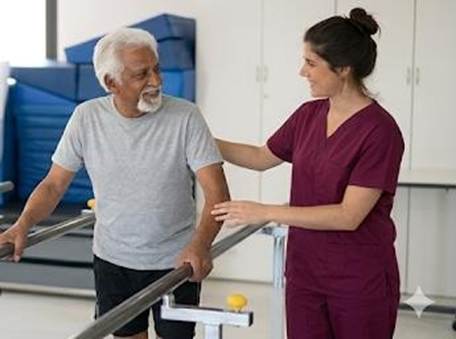
When a person survives a stroke or a paralysis episode, families often feel a sense of relief—as if the hardest part is over. But in reality, survival is only the first step. What follows is a much longer and more complex journey: recovery.
And this is where most outcomes are decided.
In India, with rising cases of stroke and neurological disorders, the focus is slowly shifting from emergency care to long-term recovery. The difference between partial recovery and meaningful independence often comes down to one factor neurological rehabilitation.
Recovery Does Not Happen Automatically
One of the biggest misconceptions around stroke and paralysis is that the body will “heal over time.” While some natural recovery does occur, it is often limited without intervention.
After a neurological event:
- Brain cells may be damaged
- Muscle control weakens or disappears
- Coordination between brain and body is disrupted
This is whyparalysis episode is not just about waiting it is about retraining the brain to function again.
What Is Neurological Rehabilitation?
Neurological rehabilitation is a structured, clinically guided process that helps patients regain lost functions after a stroke, brain injury, or nerve damage.
It focuses on:
- Restoring movement and strength
- Improving speech and swallowing
- Rebuilding balance and coordination
- Regaining independence in daily activities
Unlike general recovery, this process is highly specialised and requires a multi-disciplinary approach.
Why Early Stroke Rehabilitation Is Critical
Doctors often emphasise the first 90 days after a stroke as the most important phase. During this time, the brain has the highest ability to adapt—a concept known as neuroplasticity.
This means:
- New neural connections can form
- Healthy parts of the brain can take over damaged functions
- Recovery can accelerate with the right stimulation
Delaying stroke rehabilitation or relying only on basic home care can significantly reduce recovery potential.
The Role of Stroke Physiotherapy in Recovery
Among all therapies, stroke physiotherapy plays a central role in restoring physical function.
It focuses on:
- Improving muscle strength
- Enhancing mobility and balance
- Preventing stiffness and contractures
But effective physiotherapy is not just about doing exercises it is about doing the right exercises in the right sequence, with proper supervision.
Patients often need:
- Multiple sessions in a day
- Gradual progression based on response
- Continuous correction and guidance
This level of precision is difficult to maintain without structured support.
Beyond Movement: The Full Scope of Recovery
Neurological recovery goes far beyond physical mobility.
Patients may also struggle with:
- Speech and communication
- Swallowing difficulties
- Memory and cognition
- Emotional and psychological changes
A comprehensive rehabilitation plan addresses all these aspects together, not in isolation.
This is why neurological rehabilitation requires coordination between:
- Physiotherapists
- Speech therapists
- Occupational therapists
- Medical professionals
When these elements work together, paralysis recovery becomes more complete and sustainable.
The Limitations of Home-Based Recovery
In India, most patients transition from hospital to home after initial treatment. While this feels comfortable, it often leads to gaps in care.
At home, recovery is usually:
- Limited to one therapy session per day
- Dependent on caregiver availability
- Lacking structured monitoring Over time, patients may experience:
- Slower progress
- Plateau in recovery
- Increased risk of complications
This is not due to lack of effort—but due to lack of a structured system.
Why Structured Rehabilitation Delivers Better Outcomes
Structured environments are designed specifically for recovery. They ensure that therapy is consistent, coordinated, and clinically supervised.
Patients benefit from:
- Multiple therapy sessions throughout the day
- Continuous monitoring of progress
- Real-time adjustments in treatment plans
This approach significantly improves outcomes in both stroke rehabilitation and long-term paralysis recovery.
The Role of Care Homes in Neurological Rehabilitation
A Care Home has evolved into a specialised recovery environment, especially for patients who need ongoing rehabilitation after hospital discharge.
Unlike fragmented home care, Care Homes offer integrated services under one roof.
This typically includes:
- Daily stroke physiotherapy and rehabilitation sessions
- 24×7 nursing care and monitoring
- Regular doctor supervision
- A safe, recovery-friendly infrastructure
This integration ensures that recovery is not disrupted and follows a consistent path.
Care Homes vs Rehab Centres: What Families Should Know
Families often compare Care Homes with a nearby rehab centre, assuming both offer similar support. However, the depth and continuity of care differ significantly.
Many smaller rehab centres focus on:
- Basic physiotherapy sessions
- Limited hours of care
- Minimal medical supervision
In contrast, established Care Home providers offer:
- Comprehensive neurological rehabilitation programs
- Continuous monitoring and support
- Multi-disciplinary teams working together
For long-term recovery, this difference can directly impact patient outcomes.
Why Established Providers Matter
In neurological recovery, outcomes depend heavily on two factors—consistency in care and depth of clinical expertise. This is where established providers make a meaningful difference. They do not rely on ad-hoc efforts or isolated therapies; instead, they bring a system-driven approach that ensures every stage of recovery is planned, supervised, and continuously optimised.
Such providers typically offer:
- Experienced, multi-disciplinary teams trained in managing complex rehabilitation cases
- Proven, outcome-driven protocols refined through clinical experience
- Structured systems for ongoing monitoring, progress tracking, and timely intervention This approach ensures that recovery is not left to individual effort or guesswork, but guided through a reliable, well-coordinated process that improves both speed and quality of long-term outcomes.
When Should You Consider Structured Rehabilitation?
Not every patient requires institutional care from day one. In many cases, recovery can begin at home under medical guidance. However, from a clinical standpoint, there are clear indicators that signal the need for more structured and supervised rehabilitation. Ignoring these signs can delay progress and, in some cases, lead to avoidable complications.
You should consider transitioning to a Care Home or the best rehabilitation centre when:
- Recovery progress slows, plateaus, or becomes inconsistent despite regular therapy
- The patient requires multiple therapies in a day, making coordination at home difficult
- There are frequent medical complications or setbacks that need timely intervention
- Continuous monitoring of vitals, mobility, or neurological response becomes necessary
- Family caregivers begin to experience physical or emotional strain affecting care quality From an expert perspective, early transition to a structured rehabilitation environment allows for better clinical oversight, timely adjustments in therapy, and reduced risk of long-term disability. Acting at the right time does not just improve recovery speed—it significantly enhances the quality and sustainability of long-term outcomes..
A Shift in Thinking: From Survival to Independence
The goal of treatment should not stop at survival. It should extend to independence.
The right question is not:
“Is the patient stable?”
But:
“Is the patient recovering in the best possible way?”
Because recovery is not just about regaining movement—it is about regaining life.
FAQs
- What is neurological rehabilitation?
It is a structured treatment process that helps patients recover lost functions after a stroke or neurological condition.
- How important is stroke rehabilitation?
It is critical. Early and structured stroke rehabilitation significantly improves recovery outcomes and independence.
- Can paralysis recovery happen without rehabilitation?
Partial recovery may occur, but without proper neurological rehabilitation, outcomes are often limited.
- When should I consider a Care Home or rehab centre?
When recovery slows, multiple therapies are needed, or continuous monitoring becomes essential.
Conclusion
Neurological rehabilitation is not optional—it is essential for meaningful recovery after a stroke or paralysis.
Without it, patients may survive but struggle to regain independence. With it, they have a real chance at rebuilding their lives.
Structured environments like Care Homes and the best rehabilitation centre setups provide the consistency, expertise, and coordination needed for effective stroke rehabilitation and longterm paralysis recovery.
Because in the end, recovery is not just about healing the body.
It is about restoring dignity, confidence, and quality of life.